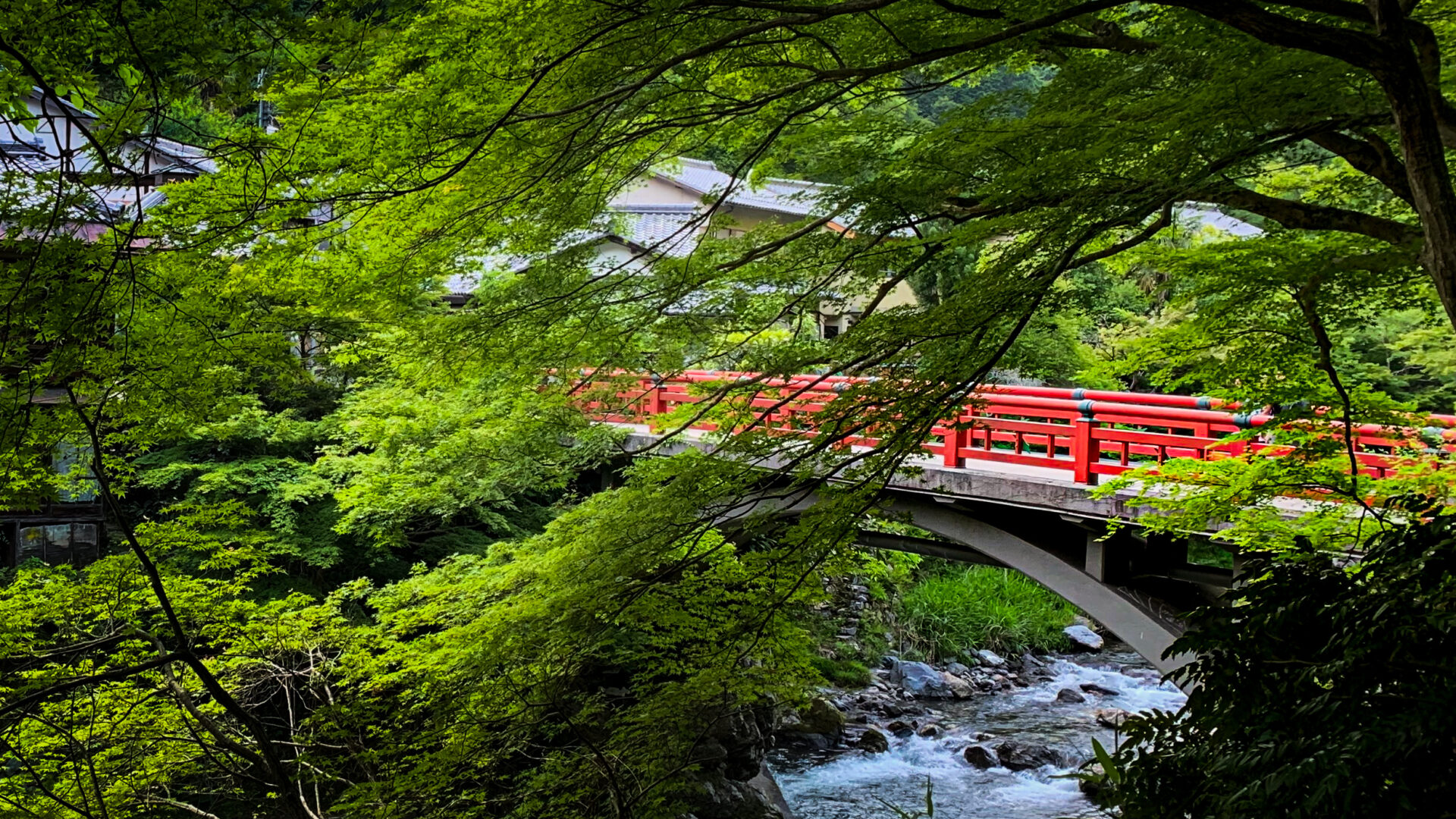
I almost ruined my solo birthday trip with a rigid itinerary. Instead, I ditched the ‘Top 10’ lists for a local guide and a hidden river. Here’s how to plan a Kyoto adventure that actually feels like a discovery, not a chore.
The Best Solo Birthday Trips Aren’t Rigid Itineraries – They’re Frameworks
Kyoto has changed since my birthday trip in May 2019. The way I navigated it back then hasn’t. Before this trip, I always ensure everything is all planned out, but then this trip is when I finally discovered the “go with the flow” method.
Three days before my flight from Singapore, I looked at my standard tour package, the kind that promises you’ll “check off” six temples in eight hours and realized I was planning a trip for a brochure, not for myself. I hit cancel.
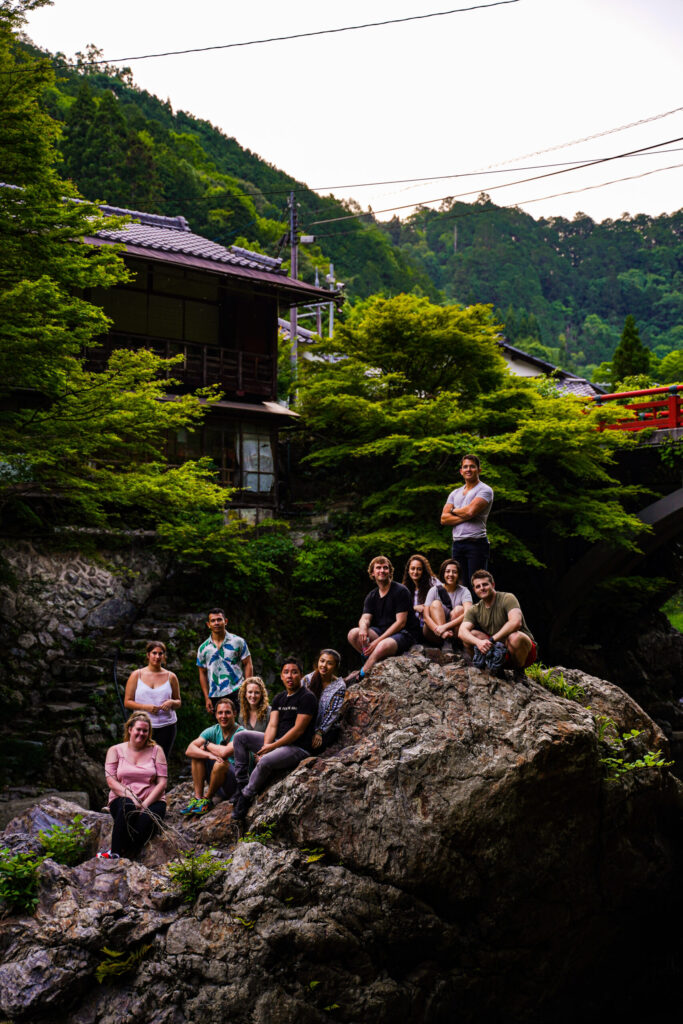
The moment I realized I’d made the right call: a spontaneous group forming around a local guide who actually cared about where we were going.
The standard Kyoto itinerary is designed for efficiency, not discovery. Fushimi Inari and Arashiyama are beautiful, but they’re photographed by millions every year. I didn’t want the best views of Kyoto. I wanted my Kyoto.
I replaced the schedule with one principle: structure the method, not the destination.
That method was Airbnb Experiences. Not a hotel stay — you’re booking a local guide who runs a curated activity. Most are 3–4 hours and under $50 USD. I found one that turned out to be a 9.5-hour day for roughly $58 USD ($77 SGD). Best money I spent on the whole trip.
A 5-day template that actually works:
Day 1: Arrive and anchor. Settle into the neighborhood. Book one Airbnb Experience for the next morning.
Day 2: The Experience. Do it. Don’t schedule anything else. Ask your guide: “Where do you eat? What would you do with three more hours?”
Day 3: The Thread. Follow at least one of those suggestions. Let it lead somewhere else.
Day 4: The Skill. One planned workshop or class. One unplanned afternoon.
Day 5: The Open Slot. Leave room for a second spontaneous experience, or go back somewhere you loved.
This isn’t winging it. It’s saving your decision-making energy for the moments that actually matter.
Climbing Through an Untouched Forest
My guide was Ed — a photography guy who knew the locations that don’t show up in guidebooks. While everyone else headed for the famous bamboo grove, we went the opposite way.
We climbed through a farmer’s private grove. No paved paths. Stalks thicker than my leg, steep incline, air smelling of wet earth. When the wind moved through the canopy it wasn’t a gentle rustle — it was a dry, snapping sound, like something knocking.
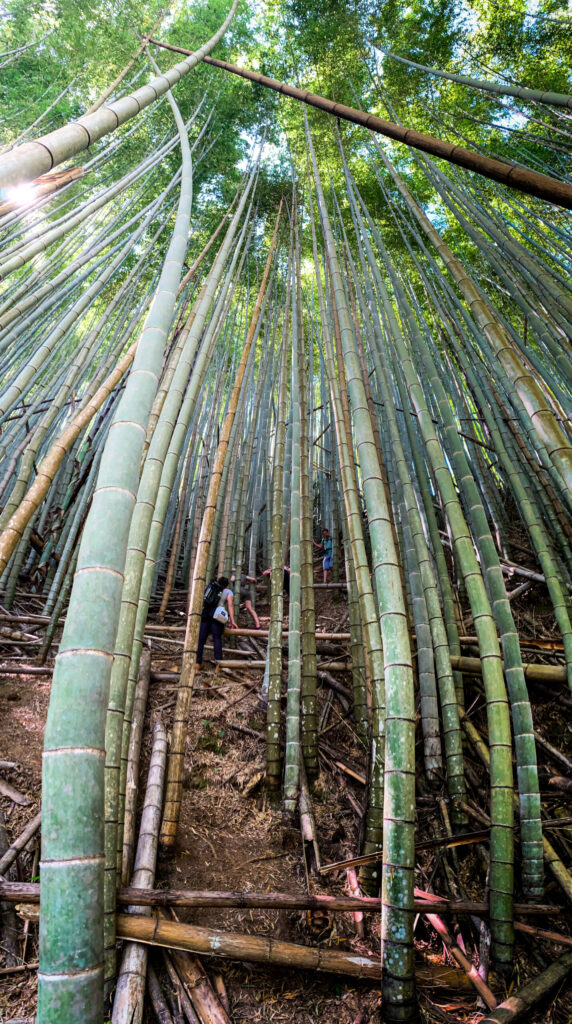
The climb through the farmer’s bamboo grove. Moss everywhere, stalks thicker than my leg, the path more suggestion than reality. This is what “off the beaten path” actually means.
By the time the forest opened up, I understood what Ed was really offering. Not a location. Permission. Permission to slow down and notice the light coming through the stalks. Permission to stop collecting moments long enough to actually be in one.
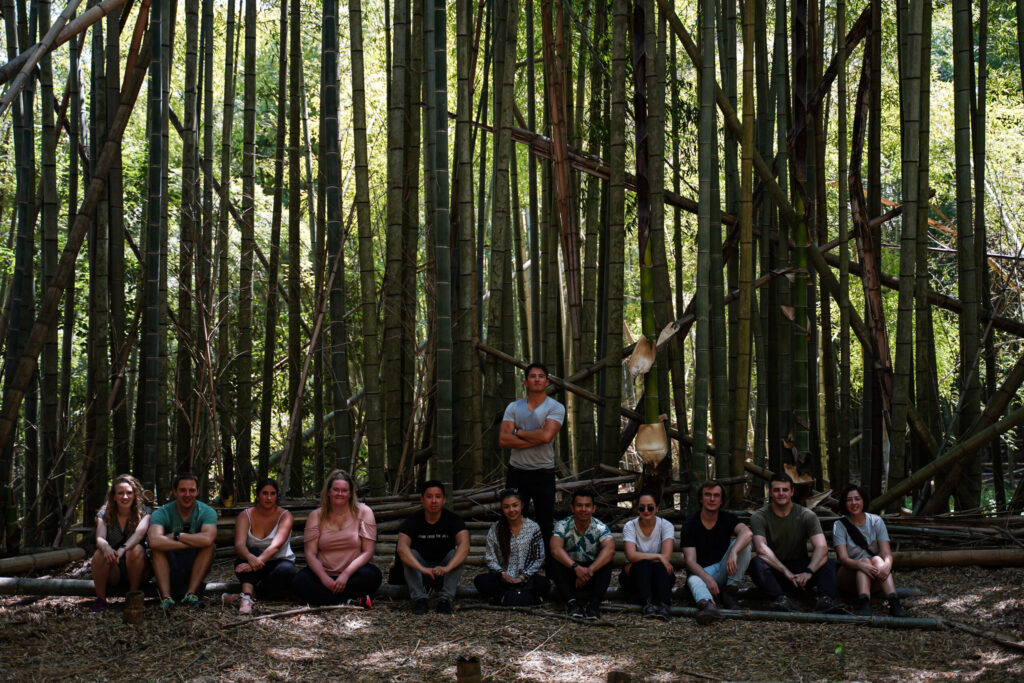
Me and the group in the lighter grove, where you can finally breathe. The forest opens up just enough to remind you where you are. This is the payoff, not because it’s beautiful, but because it’s real.
The Village Nobody Talks About
Ed led us across a red bridge into a village that families had left decades ago when the mountain roads became too hard to maintain.
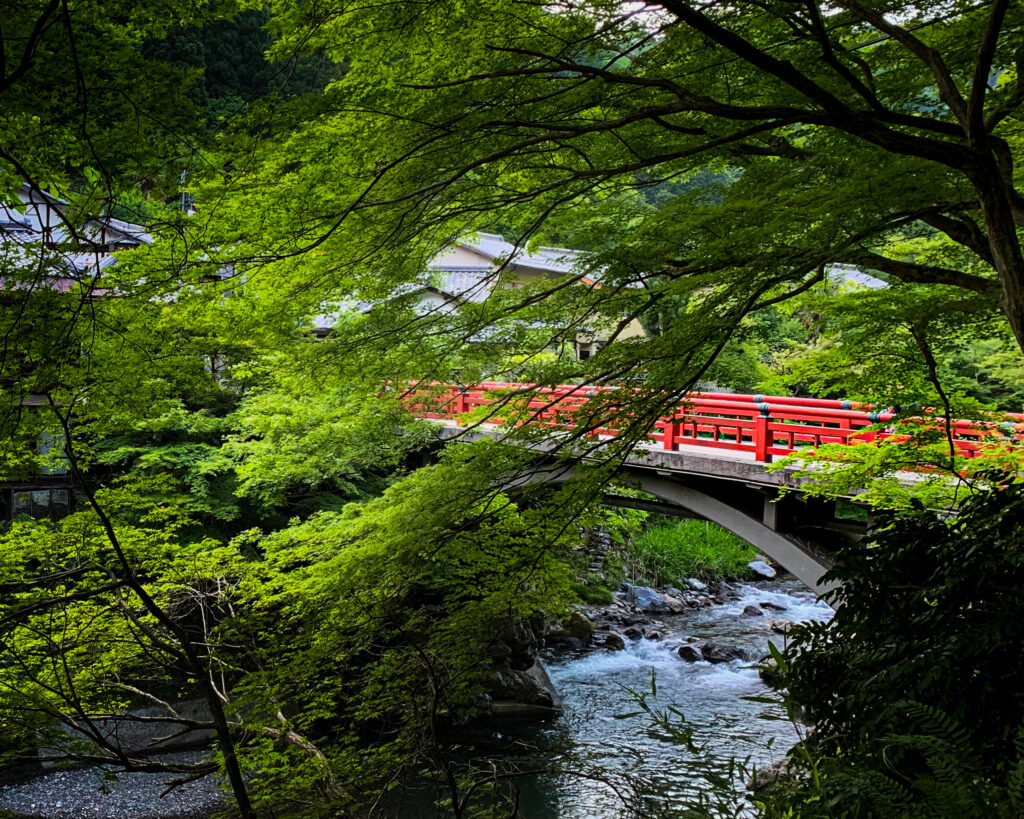
The bridge between the familiar and the unknown. In Japanese aesthetics, red bridges mark transitions, from the mundane to the sacred, from the known to the discovered.
On the other side: abandoned houses. Traditional architecture, roofs still holding shape, surrounded by mountains and silence. A river ran past it — the same river that had made the place beautiful once, and then made it impossible to stay.
What got me wasn’t the decay. It was the absence. The houses were still standing, still solid. But nobody was home.
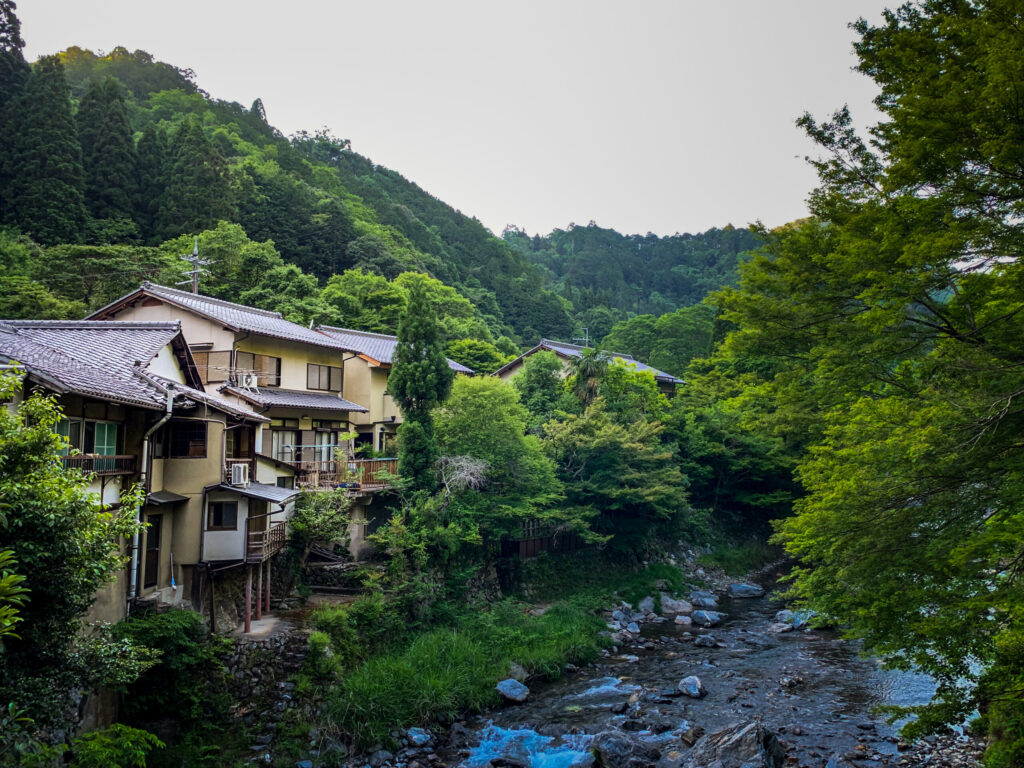
This is what Ed wanted us to see. Not a landmark. Not a photo opportunity. A place where life happened, and then stopped. The river is still beautiful. The houses are still standing. But nobody’s home.
There’s a specific feeling you get in a place like that. Not sadness exactly… more like being suddenly, uncomfortably aware of yourself. The moss on the stones. The river sounding different when no one around you is talking.
No guidebook mentions this place. No tourist trap charges admission. It’s just there, waiting for someone to care enough to show it to you. I almost missed it entirely by booking the standard tour.
The Shrine
After the village, I needed to sit with what I’d just seen. The group kept moving, but I found a small shrine- the kind that exists for locals, not visitors. My guide and I decided to grab a photo there. One of those spots that feels too good to walk past.
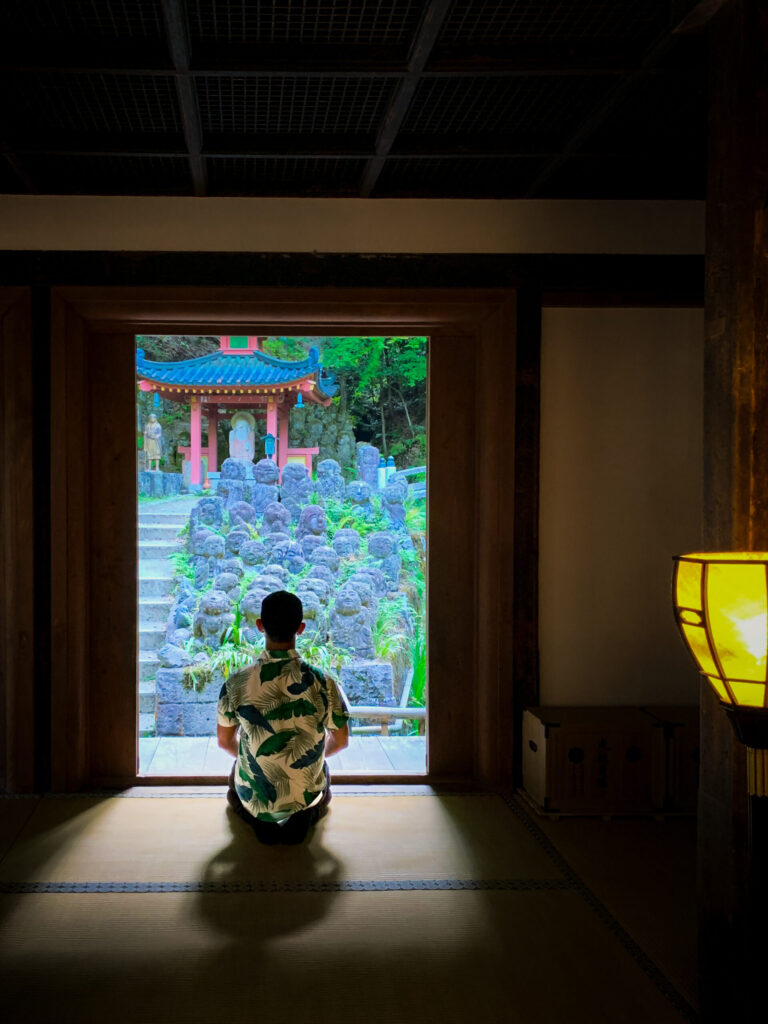
Me, alone, processing in the temple doorway. The lantern glowing in the afternoon light. The temple through the doorway is framed perfectly by the wooden beams.
I took off my shoes, sat in the doorway, and just looked out. The lantern was glowing in the afternoon light. I remember thinking: this is what I wanted when I booked the flight. Not a landmark. Just this.
Travel isn’t about collecting places. It’s about paying attention. You show up, you stay present, and something finds you.
Cold Water and Midnight Songs
Prior to the tour, Ed already informed us to bring swimsuits as he knows a place where we can dip and enjoy nature. At the river he asked: “Do you want to swim?”
The water was cold enough to knock the breath out of me. The kind of cold that cuts through everything and leaves you with one thought: I am here right now.
That night, the group had dinner together. By midnight we were all still there – strangers who had climbed a mountain and jumped into a river in the same day. Then they found out that it was my birthday the next day. They sang. Ed caught the moment on his watch: the exact second I turned a year older, surrounded by people I hadn’t known 24 hours earlier.
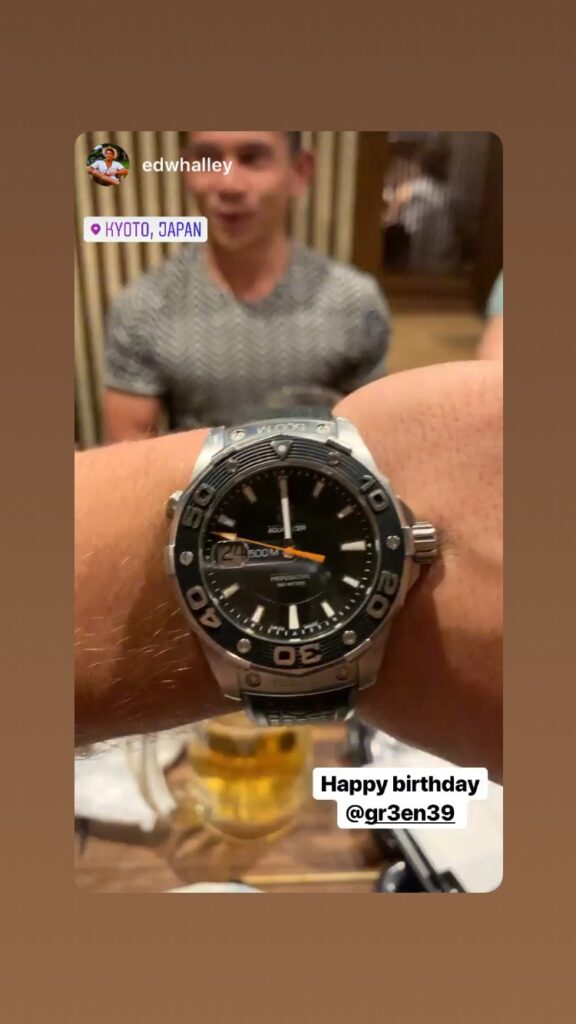
Midnight. A watch showing the exact moment. A guide who became a friend. Strangers who became a family for a day.
Quick Facts
| Category | Detail |
|---|---|
| Cost | ~$58 USD ($77 SGD) for a 9.5-hour Experience; ~$15/day for food |
| Best Month | May. Spring is winding down, the heat hasn’t hit, crowds are thinner |
| Solo Safety | Very safe. A translation app helps on rural backstreets |
| What to Pack | Sturdy shoes, light layers, a swimsuit |
| What to Skip | Famous temples during peak hours. Your guide will find better |
Why This Works
Your birthday isn’t about ticking boxes. The structure gives you permission to notice things. The flexibility gives you the story.
You’ll forget the photo filter. You’ll remember the smell of grilled miso and the shock of cold water. Your guide isn’t a “tour operator” — they’re the reason you end up somewhere real. And a 9.5-hour day isn’t long. It’s how long it actually takes to get below the tourist surface.
What’s your approach to birthday trips? Do you prefer a packed itinerary or open space? Let me know in the comments below.
Leave a Reply