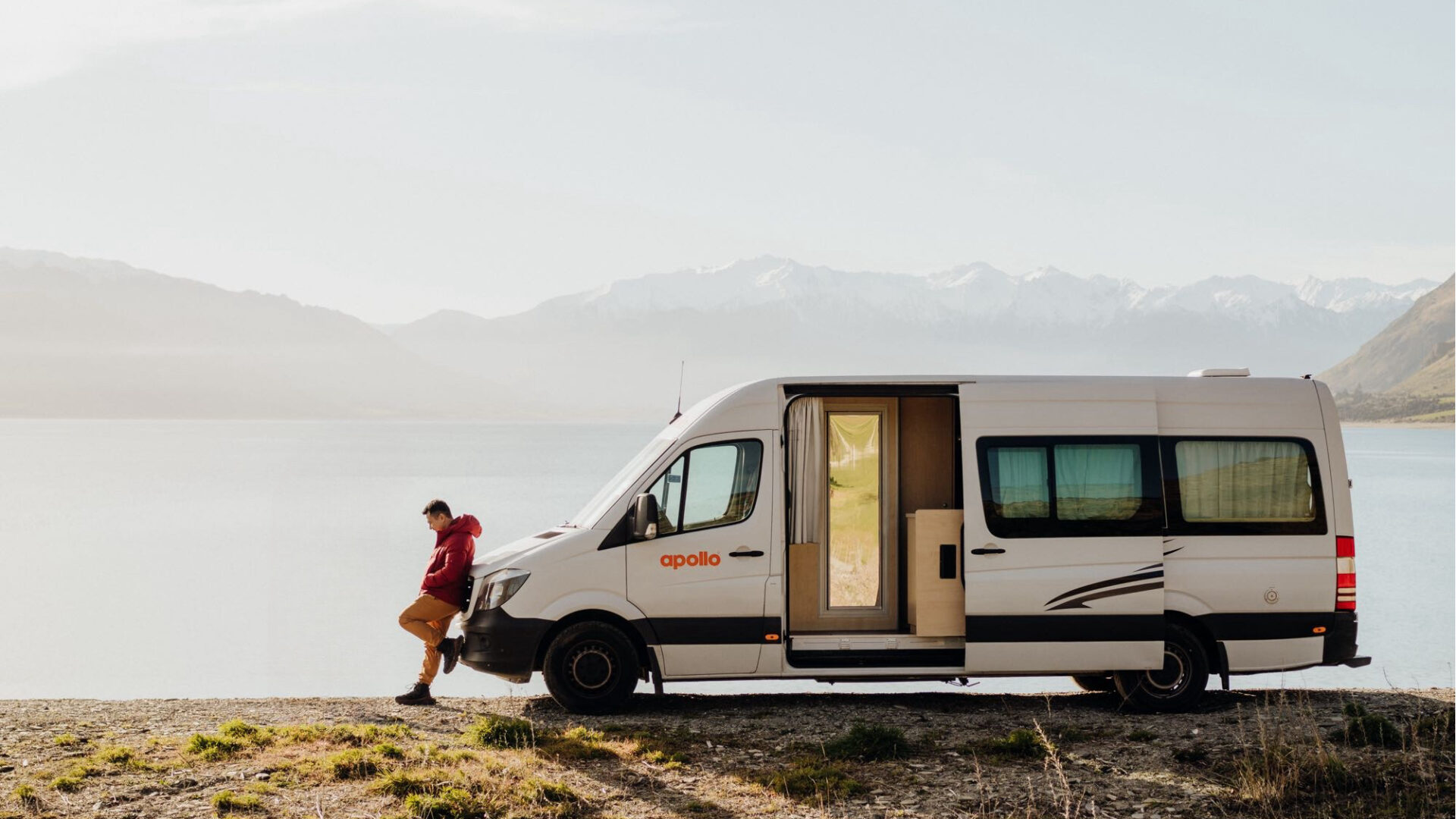
I forgot to reserve a powered campsite. So we ended up in the middle of nowhere at -2°C, staring at a galaxy that made me question everything. Here’s what I learned when I stopped planning and started living.
The Mistake That Changed Everything
Three weeks into my New Zealand adventure, I did something stupid. I forgot to book a powered campsite.
Most people would shrug and find another spot. I saw it as a failure.. the kind of oversight that happens when you’re juggling a two-person trip, a rental campervan, and the constant math of “can we afford this?”
But that forgotten reservation became the night everything shifted.
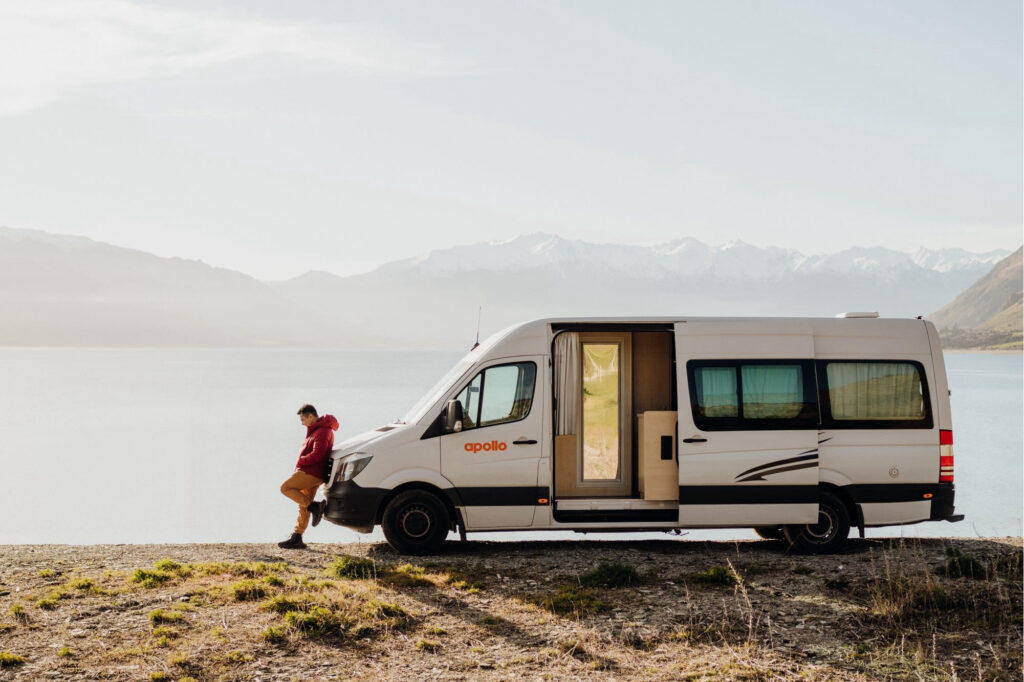
My travel companion and I drove to a free camping spot. The kind that exists in New Zealand because the country gets it.. not everyone travels with unlimited money. It was unplanned, unlit, and completely isolated. Just us, the van, and nothing else around for miles.
That’s when the real trip started.
The Hike: Your Legs Stop Listening
Before the galaxy night, there was Roy’s Peak.
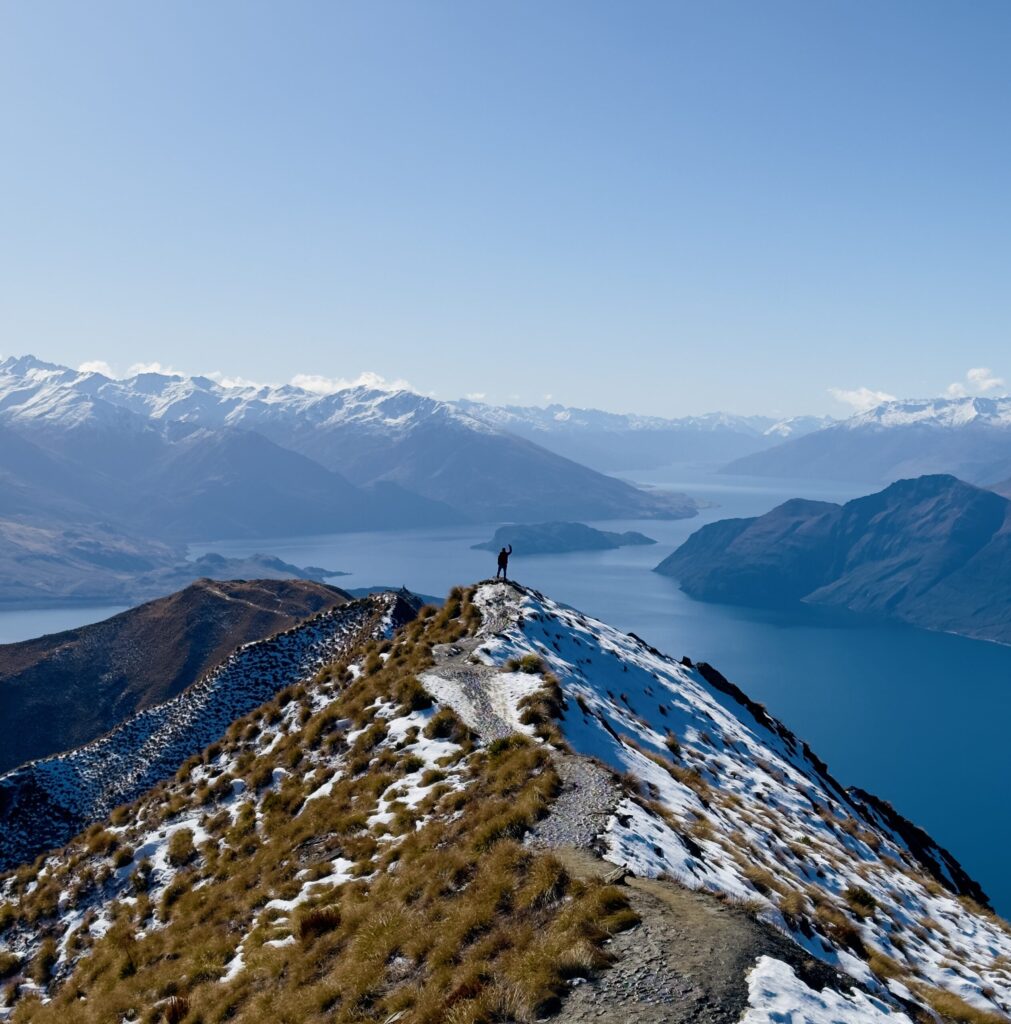
16.4 kilometers doesn’t sound like much until your legs are numb halfway up. Not from cold. From the sheer effort of putting one foot in front of the other for hours.
The thing about Roy’s Peak is the views get better the higher you go.
You start in scrub, staring at your feet, counting switchbacks. Then the landscape opens up. Then it explodes. By the summit you’re standing on a ridge with Lake Wanaka spread below like someone spilled liquid sapphire across the valley. Snow-capped mountains frame it all. The scale is the kind that makes you feel properly small.. the way that reminds you why you came.
I didn’t calculate the cost of this hike. Didn’t check TripAdvisor or think about “value for money.” I just climbed because my legs said keep going and the view kept promising almost there.
This is what travel looks like when you stop optimizing.
Milford Sound: You’re Living the Movie Now
Days later, we boarded a boat into Milford Sound.
I’m a huge Lord of the Rings fan. Have been for years. I watched those films and wondered what it would feel like to actually be in Middle-earth. To stand where those characters stood. To see what they saw.
On that boat, I wasn’t watching anymore. I was living it.
The fjord rose around us. Sheer cliffs so tall they seemed impossible. Waterfalls dropping from clouds. Water so deep it looked like it went nowhere. This was the exact landscape Tolkien had in mind-ancient places that still hold their breath.
I got goosebumps. Real goosebumps. Not from cold. From the shock of recognition. Like I was inside the movie, except this time it was real.
This is what happens when you travel with conviction instead of just going through the motions: You don’t just see places. You enter them.
The Galaxy Night: When You Put the Camera Down
Then we got to the free camping spot.
It was dark. Not “dark for someone from the city”….. actually dark. The kind of dark where your eyes don’t adjust because there’s literally nothing to adjust to. No other cars. No lights. Just us, the van, and the sky.
Temperature was -2°C. Cold enough that sitting outside felt like a choice you had to actively make. We sat outside the van anyway, bundled up, staring up.
And then I saw it.
The galaxy.
Some moments no camera captures. This was one. The Milky Way wasn’t a smudge.. it was there. So vivid and present it felt like I was looking through some kind of Apple Vision Pro lens, except this time it was absolutely real.
I had goosebumps. Actual goosebumps at -2°C while staring at billions of years of light.
I pulled out my Olympus almost without thinking. I’d brought it on the trip, but without the right lens… the one built for night sky photography. I took the shot anyway with what I had. The image came out beautiful. But standing there, I realized something: the camera captured maybe 30% of what my eyes were seeing. The rest… the depth, the presence of it… that only existed in my body. In the gasp I took. In the way my breath turned to vapor in the cold.
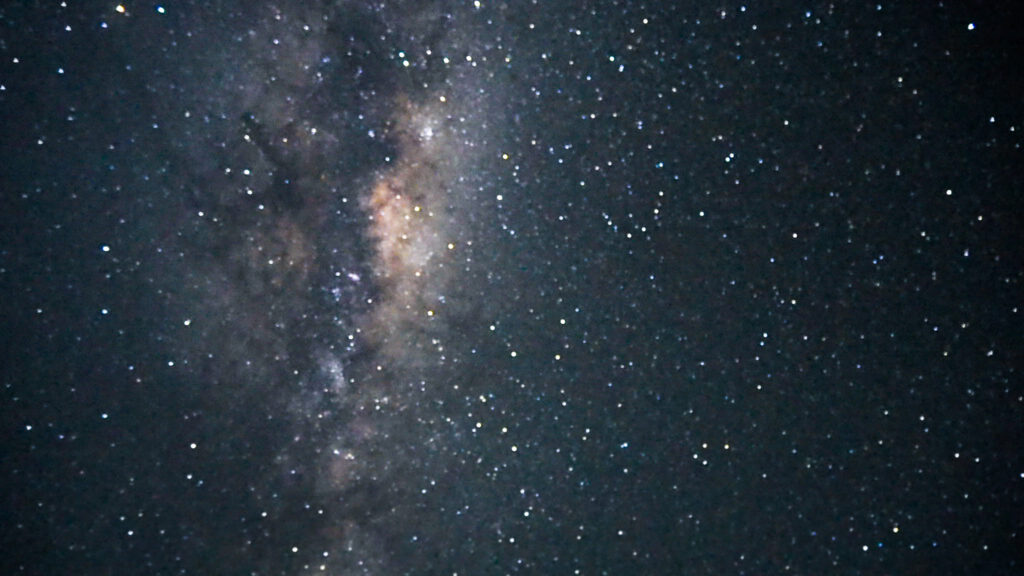
I learned that night that preparation matters. The right lens would have made an extraordinary photograph. But no lens, no matter how perfect, could capture what it actually felt like to stand there. That lived only in me.
So I put the camera down. Just sat there, numb from cold, overwhelmed, thinking the thought that changes everything:
Out of all the stars in that galaxy, I am alive. Right now. In this moment. I am actually alive.
That thought stuck with me long after the cold faded.
The Locals Who Chose to Stay
A few days later, I met people from my hometown living in New Zealand.
They gave recommendations.. which chocolate to buy, which food spots actually matter, where locals eat. But more than that, they showed me something else: what it looks like to choose a place as home.
They weren’t tourists optimizing their time. They were people who had decided: this is where my life happens.
That conversation didn’t just improve my trip. It changed what I thought was possible.
For the first time, I didn’t just want to visit New Zealand. I wanted to live there.
The Pattern
Looking back at the trip, I started noticing something.
The best moments weren’t the ones I planned. They were the ones I stumbled into:
Roy’s Peak was free to climb. I just had to be willing to go numb.
Milford Sound—I paid for the boat tour. But the real magic wasn’t in the price. It was in living the story instead of just watching it.
The galaxy night happened because I forgot to book a powered campsite. The view cost nothing. The moment cost everything.
I didn’t travel on a massive budget because I’m some minimalist hero. I did it because that’s what I could afford. But somewhere along the way, I discovered that the constraint wasn’t a limitation. It was a feature.
When you can’t afford the expensive tour, you find the free hike. When you forget to book ahead, you end up in darkness watching billions of stars. When you can’t bring perfect equipment, you learn that no equipment is perfect anyway.
The best moments come from constraints. From unplanned nights. From being willing to be cold and numb and completely present in a way that doesn’t usually happen anymore.
What This Actually Means
I learned that you don’t need unlimited money to experience extraordinary things. You need conviction.
You need to:
- Climb 16.4 kilometers even when your legs stop listening
- Recognize the story you’re living instead of passing through it
- Sit in -2°C darkness and let a moment change you
- Show up with imperfect equipment and discover that moments transcend any lens
You need to understand that sometimes the best travel moments arrive disguised as mistakes.
And the people who chose to live in these places… who picked them as home…they already know something you’re learning: magic doesn’t require perfect planning. It requires showing up, paying attention, and being willing to be uncomfortable.
When was the last time you forgot to take a photo because you were too busy living the moment?
Leave a Reply